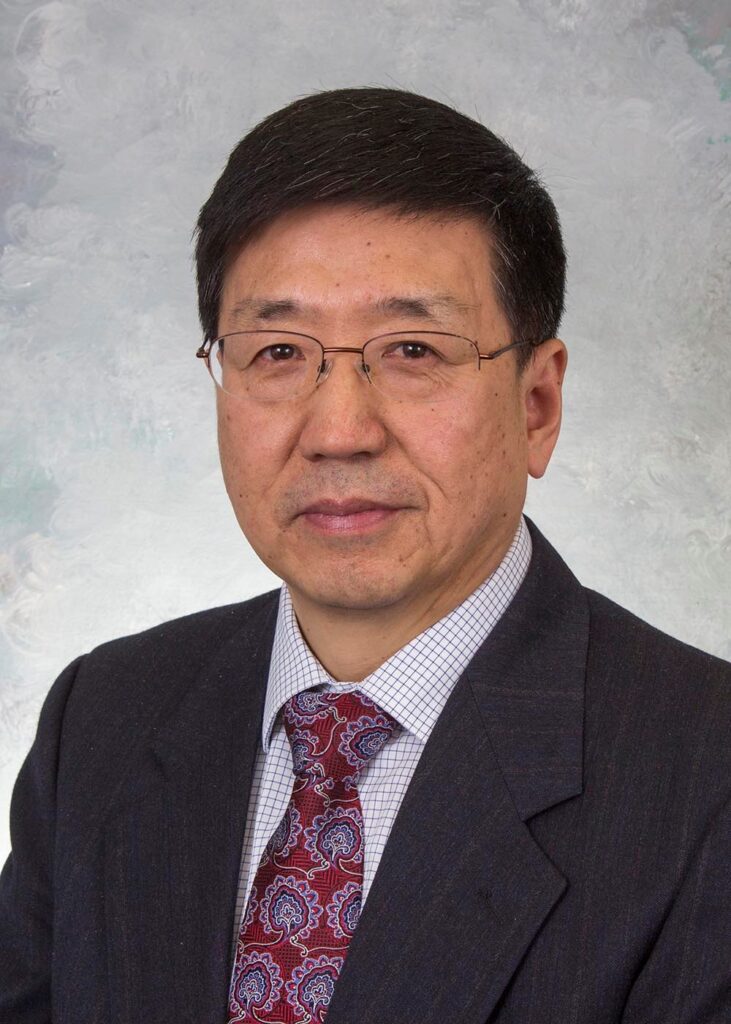
Multi-scaled biomimetic materials to regulate tissue regeneration
Professor Peter X Ma
University of Michigan, Ann Arbor (United States)
Bio: Dr. Peter X Ma received his PhD in Polymer Science and Engineering from Rutgers University (US) and was honored with a Graduate School Excellence Fellowship there. He then did his postdoctoral research at MIT and Harvard Medical School on Biomaterials and Tissue Engineering, and received a NOVARTIS Award with J.M. Pollok et al. He is the Richard H. Kingery Endowed Collegiate Professor and a tenured Full Professor in Dentistry, Engineering, and Medicine at the University of Michigan. His research is in the areas of biomaterials and tissue engineering, including scaffold design, biomolecule delivery, bone, cartilage, dental, and cardiovascular tissue engineering. His research has been funded by NIH, DOD, NSF, NASA, various foundations, and industry. Dr. Ma has published 330 full-length articles, with 65,560 citations and an h-index of 129. Dr. Ma has published 5 books and delivered 307 plenary/keynote/invited lectures. He is the inventor of 43 distinct US patents and patent applications, plus many associated international patents and patent applications. Among various recognitions, Dr. Ma received a Whitaker Foundation Biomedical Engineering Young Investigator Award, a DuPont Young Professor Award, a Distinguished Scientist Award (Isaac Schour Memorial Award) from the International Association of Dental Research, a Clemson Award from the Society for Biomaterials, and a Top Cited Publication Award by the Biomedical Engineering Society over its 50-year history (Annals of Biomedical Engineering). He was named one of the Top 100 materials scientists in the world by Thomson Reuters. He is an elected Fellow of the American Institute for Medical and Biological Engineering, Fellow of Biomaterials Science and Engineering, Fellow of the Materials Research Society, and Fellow of the American Association for the Advancement of Science. He has served on more than 100 grant/prize review panels, including those for the NIH, NSF, DOD, MacArthur Fellowships, European Commission, Swiss NSF, Dutch Technology Foundation, Foundation for Polish Science, NSERC of Canada, and NRF of Korea. He reviewed articles for 97 journals and served on 14 editorial/advisory boards.
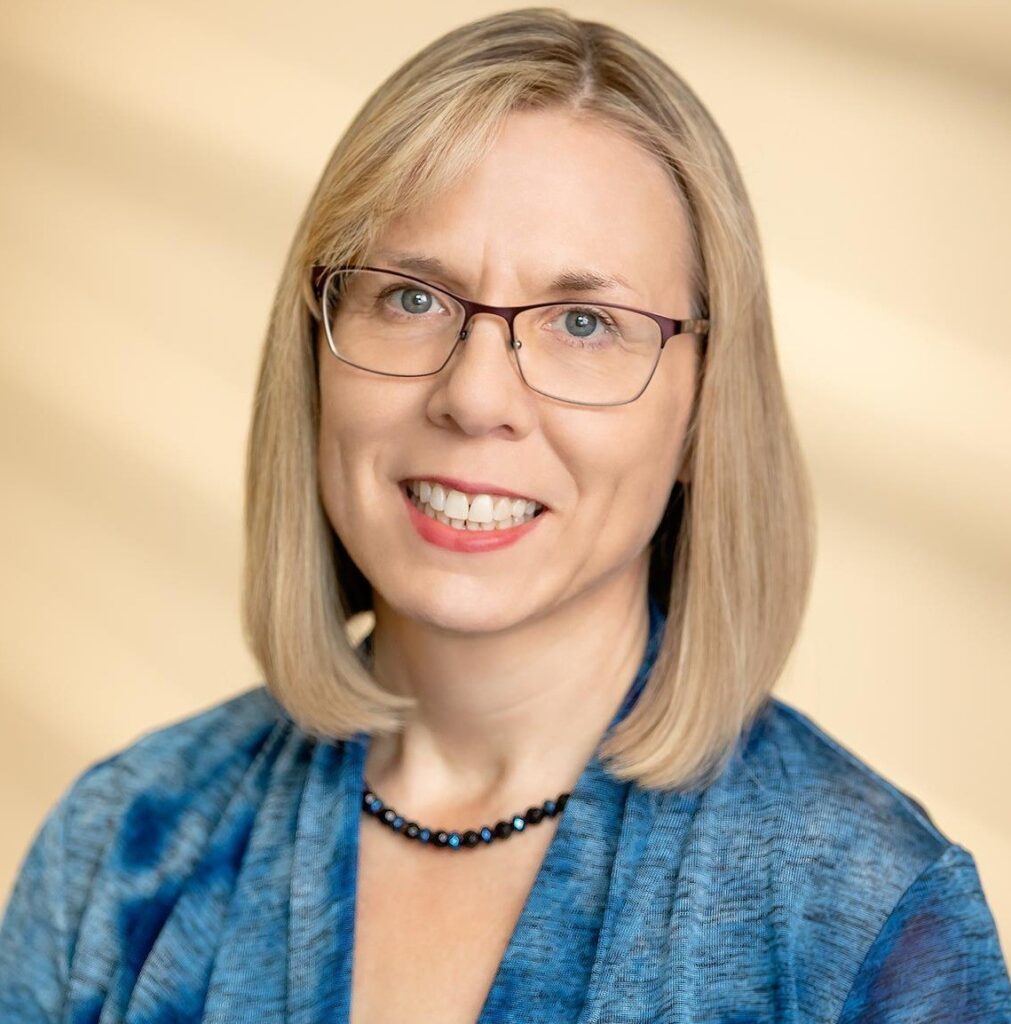
Space: The final frontier for self-healing polymers
Professor Nancy Sottos
University of Illinois Urbana-Champaign (United States)
Bio: Nancy Sottos holds the Maybelle Leland Swanlund Endowed Chair and is Head of the Department of Materials Science and Engineering at the University of Illinois Urbana Champaign. She is leader of the Autonomous Materials Systems (AMS) group at the Beckman Institute for Advanced Science and Technology, director of the EFRC on Regenerative Energy Efficient Manufacturing of Thermoset Polymeric Materials (REMAT), and director of the University of Illinois spoke of the BP International Center for Advanced Materials (ICAM). Sottos is also a co-founder of the start-up companies Autonomous Materials Inc. (AMI) and RapiCure Solutions. The Sottos group develops polymers and composites capable of self-healing and regeneration, self-reporting, and self-protection to improve reliability and extend material lifetime. Her current research interests focus on circular additive and morphogenic manufacturing strategies for polymeric and composite materials with programmed end of life. She is a member of the National Academy of Engineering, the National Academy of Sciences, and the American Academy of Arts and Sciences. She is a Fellow of the Society for Experimental Mechanics, the Society for Engineering Science and the American Association for the Advancement of Science. Sottos is also the recipient of the American Society of Mechanical Engineers Nadai Medal and the Society of Engineering Science Medal.
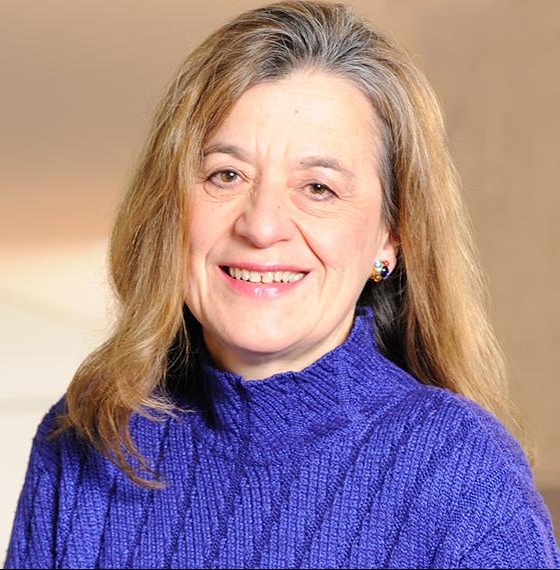
Temporal sequence in the growth of hard and soft domains in polymer layers affects final morphology
Professor Anna Balazs
University of Pittsburgh (United States)
Bio: Anna C. Balazs is a Distinguished Professor of Chemical Engineering and holds the John A. Swanson Endowed Chair in Engineering at the University of Pittsburgh. She received her B.A. in physics from Bryn Mawr College and her Ph.D. in materials science from the Massachusetts Institute of Technology in 1981. Balazs is a Fellow of the American Physical Society, the Royal Society of Chemistry, and the Materials Research Society. She received the Gutenberg Research Award, Mainz Germany (2025), American Physical Society Polymer Physics Prize (2016), the Royal Society of Chemistry S F Boys-A Rahman Award (2015), the American Chemical Society Langmuir Lecture Award (2014) and the Mines Medal from the South Dakota School of Mines (2013). She is a member of the National Academy of Science and the National Academy of Engineering.
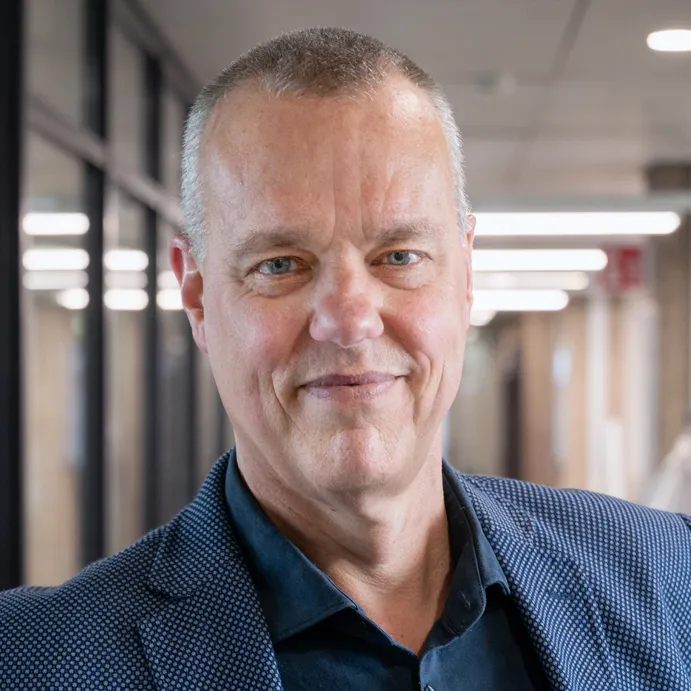
20 years self-healing construction materials
Professor Erik Schlangen
Delft University of Technology (Netherlands)
Bio: Erik Schlangen is professor “Experimental Micromechanics’ at the Civil Engineering and Geosciences faculty at Delft University of Technology. Central to his work is micromechanics, which involves studying materials at the microscopic level to understand and manipulate their structural properties. This research provides insights into the intrinsic behaviour of construction materials, allowing for the development of more durable and sustainable solutions. The studies on the micromechanical properties of concrete and asphalt have also led to breakthroughs in self-healing materials, enhancing the longevity and resilience of infrastructure. Additionally, his research encompasses smart construction materials, discrete element modelling, and 3D printing of concrete. The advanced testing facilities at the Microlab of Delft University support these innovative studies. In 2025, he was awarded an ERC-advanced-grant MAGICON, which is the most prestigious personal grants for research in Europe.
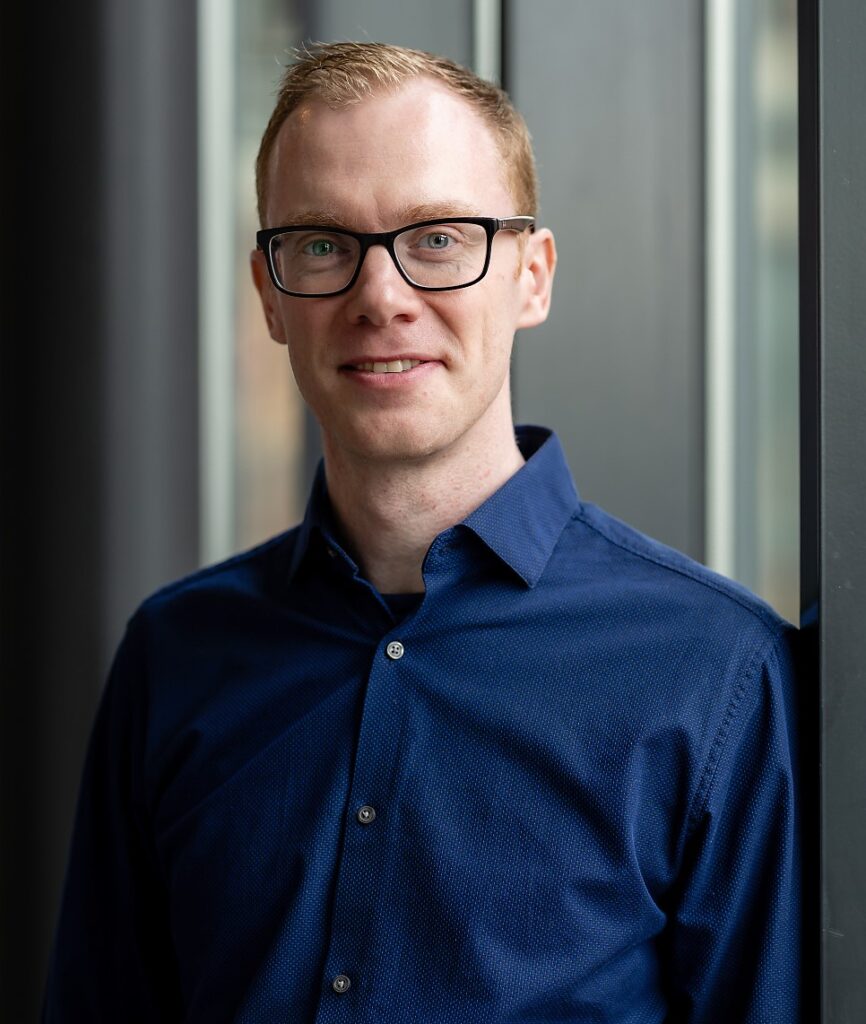
Healing and beyond: Superabsorbent polymers in cement-based materials
Professor Didier Snoeck
(Mid-Career Award Keynote)
Université Libre de Bruxelles (ULB), Belgium
Bio: Didier Snoeck is an Associate Professor at Université Libre de Bruxelles (ULB) Belgium, and holds the chair on Sustainable Structural Design. His work focuses on innovative and sustainable concrete, with particular attention to durability, self-healing materials, and fiber-reinforced cementitious materials. He conducts research on superabsorbent polymers in concrete, which enhance crack control, mitigate shrinkage, and promote self-sealing and autogenous healing. Didier Snoeck has received the RILEM Gustavo Colonnetti Medal in recognition of his contributions to advanced concrete and cementitious materials research. Through academic publications and collaborations, he supports the development of more resilient and environmentally responsible construction materials.
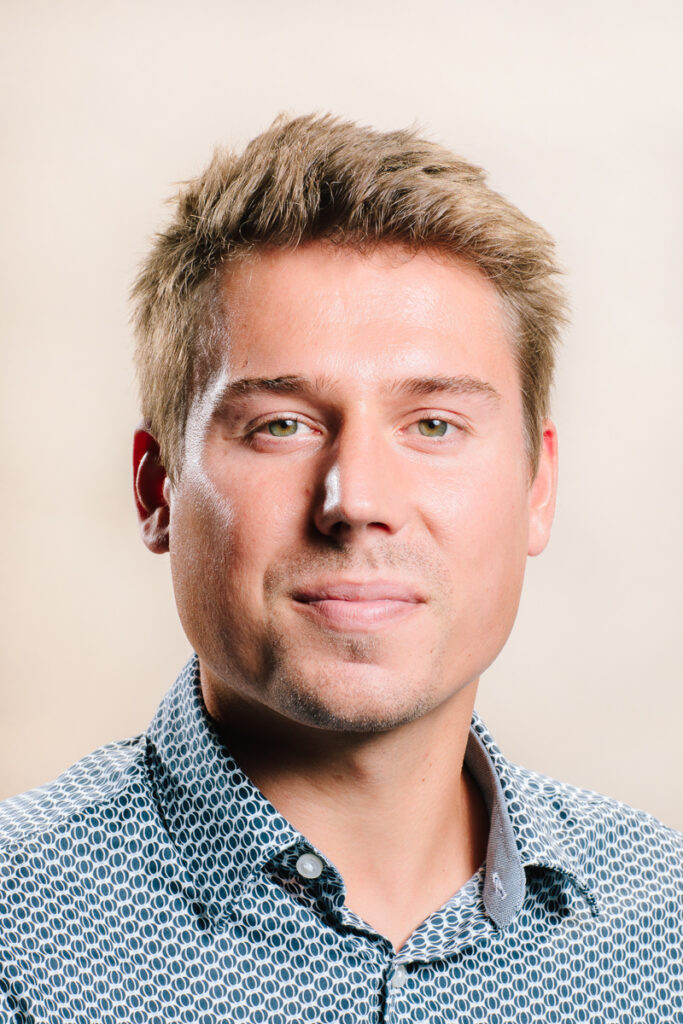
Self-healing soft robots: Bridging material and system-level research
Professor Seppe Terryn
(Early-Career Award Keynote)
Vrije Universiteit Brussel (VUB), Belgium
Bio: Seppe Terryn is an assistant professor at Brubotics, the sustainable human-centered robotics laboratory of the Vrije Universiteit Brussel (VUB), and imec. His research bridges materials science, robotics, and machine learning, creating a strong synergy between self-healing polymers and damage-resilient systems. He pioneered self-healing soft robots, publishing a landmark paper in Science Robotics in 2017. He has co-led major national and EU projects (EIC FET Open SHERO, MSCA SMART, EIC Transition SHINTO), focusing on the interface between self-healing polymers and soft robotics. During his postdoctoral fellowship, partly conducted at the University of Cambridge (UK), he developed the novel idea of combining material-based healing—often limited to partial recovery—with software compensation through machine learning. Recently, he initiated a new research line on self-healing medical phantoms for repeated surgical training. Moreover, S. Terryn is also a part-time Business Developer at imec and co-created the start-up Valence Technologies that aim to commercialize self-healing polymers in transport and robotics. Today he acts as a scientific advisor for the company.